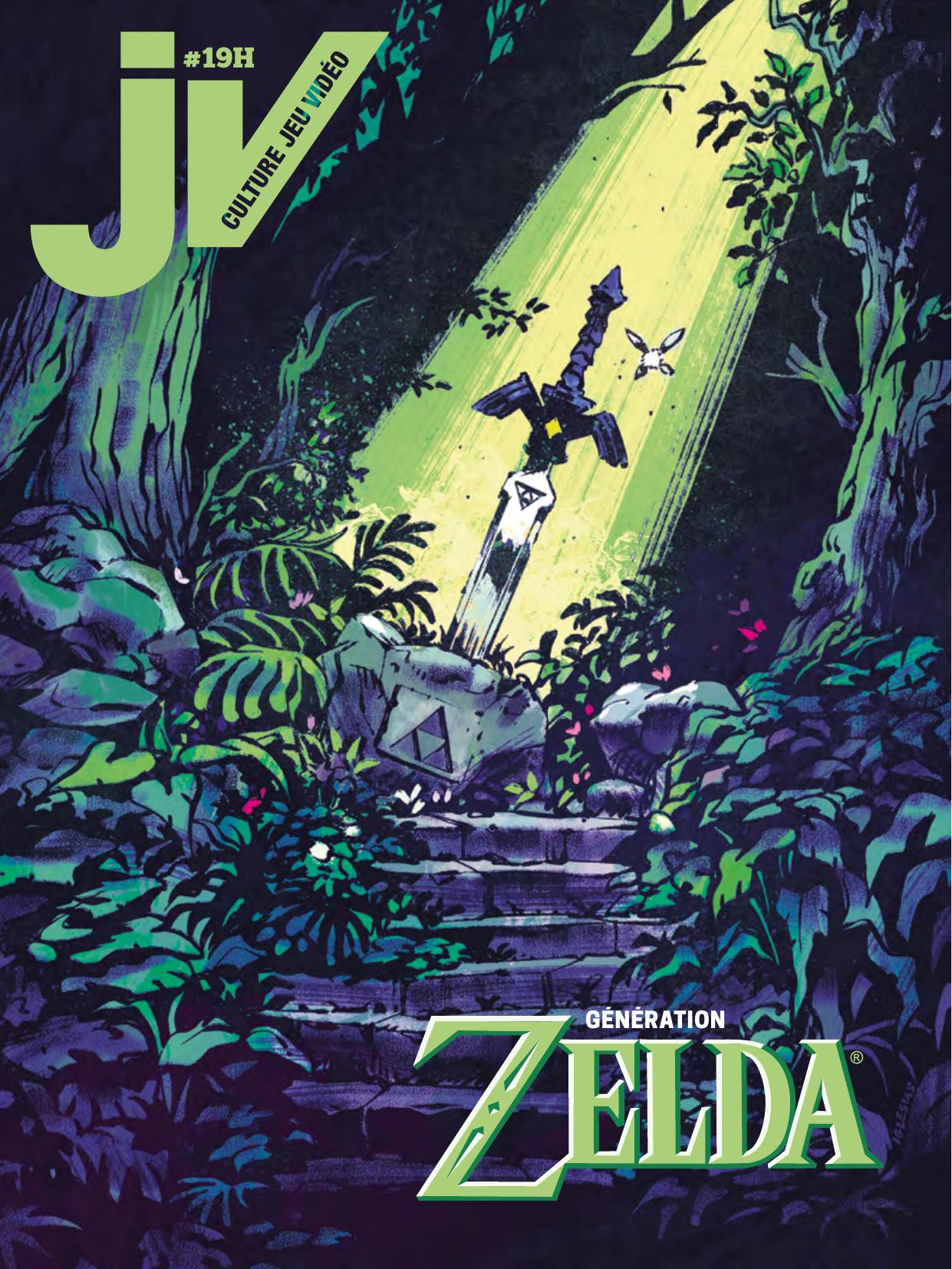
 JV - Culture jeux video — n°19 - Zelda (HS) — Page 94
JV - Culture jeux video HS n°19 - Zelda
Jeux vidéo
Aussi connu sous : TLoZ: OoT, Zelda Chuanshuo Shiguang Zhi Di, OoT, Ocarina of Time, Toki no Ocarina, 塞尔达传说: 时之笛, Zelda no Densetsu: Toki no Ocarina, TLoZ: Ocarina of Time, 塞尔达传说 时光之笛, 塞尔达传说-时光之笛-, 젤다 시오, Zelda 64
The Legend of Zelda: Ocarina of Time is the fifth main installment of The Legend of Zelda series and the first to be released for the Nintendo 64. It was one of the most highly anticipated games of its age, and is listed among the greatest video games ever created by numerous websites and magazines. The gameplay of Ocarina of Time was revolutionary for its time, it has arguably made more of an impact on later games in the series than any of its predecessors even though they had the same cores of exploration, dungeons, puzzles and item usage. Among the gameplay mechanics, one of the most noteworthy is the time-traveling system. The game begins with the player controlling the child Link, but later on an adult Link becomes a playable character as well and each of them has certain unique abilities. Ocarina of Time also introduces the use of music to solve puzzles: as new songs are learned, they can be used to solve puzzles, gain access to new areas and warp to different locations. Dungeon exploration is somewhat more puzzle-oriented than in earlier games but they are not too complex.
Informations provenant de : IGDB.
JV - Culture jeux video — n°19 - Zelda (HS) — Page 94
JV - Culture jeux video HS n°19 - Zelda
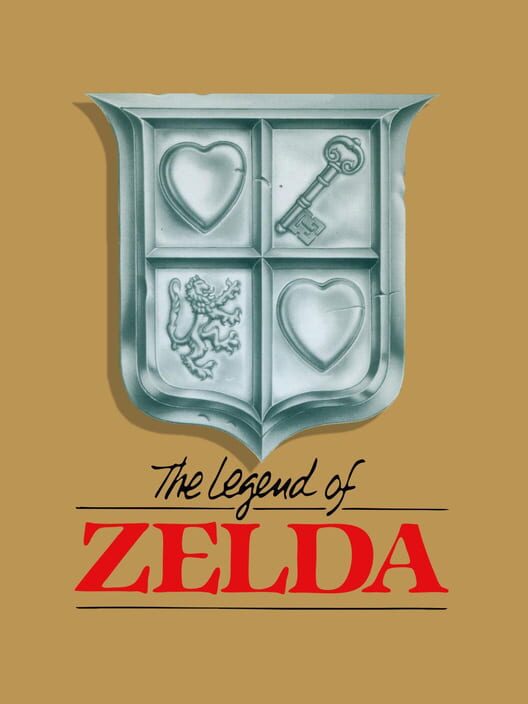 The Legend of Zelda
1986
The Legend of Zelda
1986
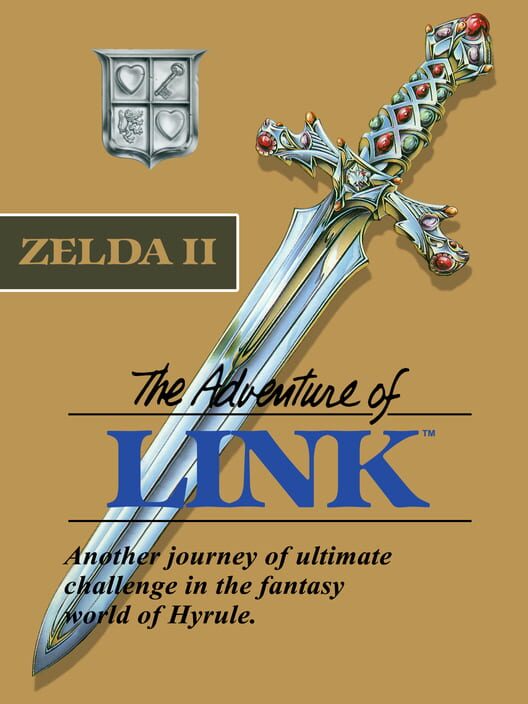 Zelda II: The Adventure of Link
1987
Zelda II: The Adventure of Link
1987
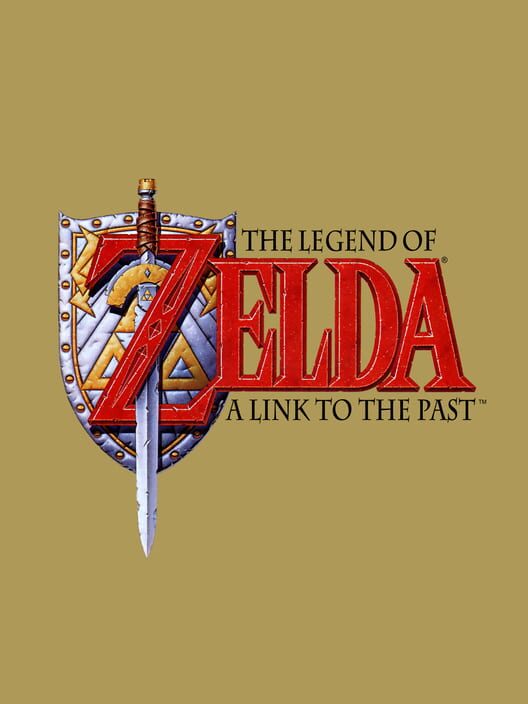 The Legend of Zelda: A Link to the Past
1991
The Legend of Zelda: A Link to the Past
1991
 The Legend of Zelda: Link's Awakening
1993
The Legend of Zelda: Link's Awakening
1993
 The Legend of Zelda: Link's Awakening DX
1998
The Legend of Zelda: Link's Awakening DX
1998
 The Legend of Zelda: Ocarina of Time
1998
The Legend of Zelda: Ocarina of Time
1998
 The Legend of Zelda: Majora's Mask
2000
The Legend of Zelda: Majora's Mask
2000
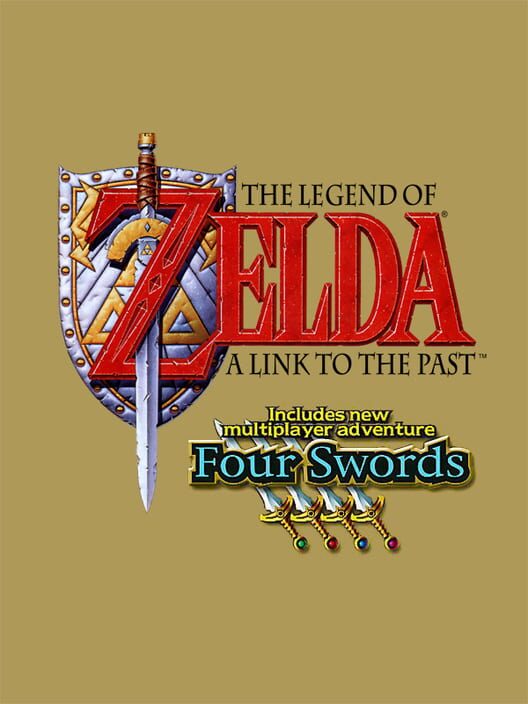 The Legend of Zelda: A Link to the Past & Four Swords
2002
The Legend of Zelda: A Link to the Past & Four Swords
2002
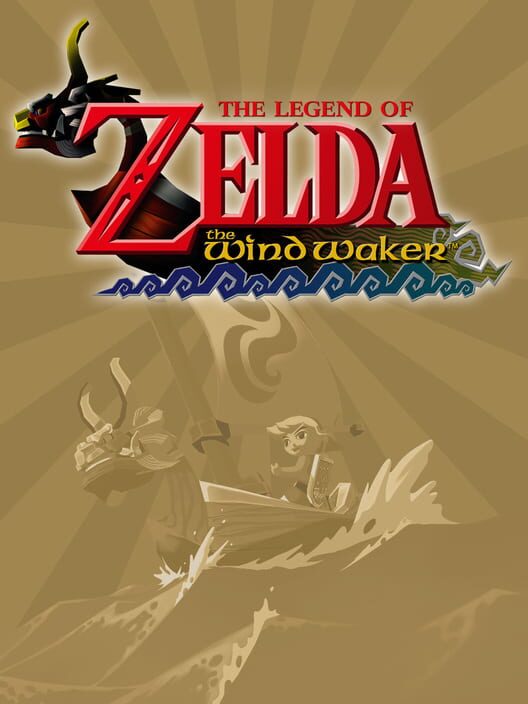 The Legend of Zelda: The Wind Waker
2002
The Legend of Zelda: The Wind Waker
2002
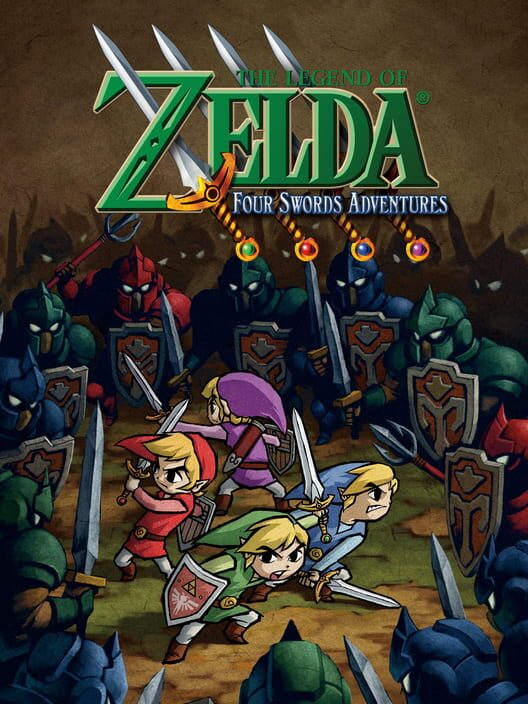 The Legend of Zelda: Four Swords Adventures
2004
The Legend of Zelda: Four Swords Adventures
2004
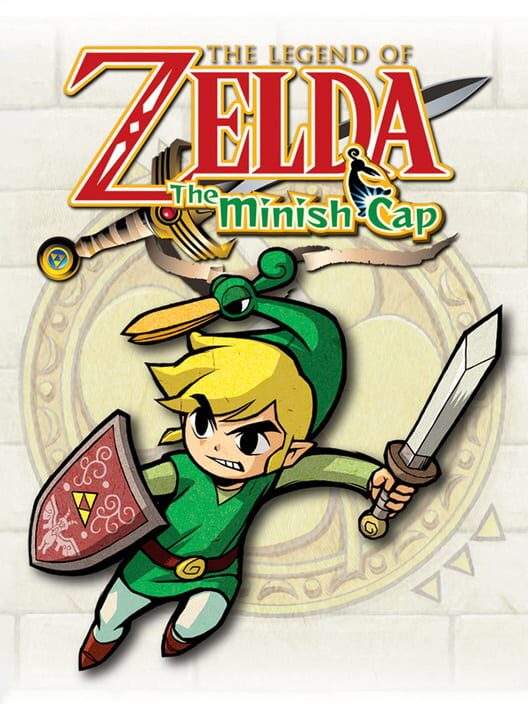 The Legend of Zelda: The Minish Cap
2004
The Legend of Zelda: The Minish Cap
2004